
Data Ingestion
Automate your logistics emissions data ingestion
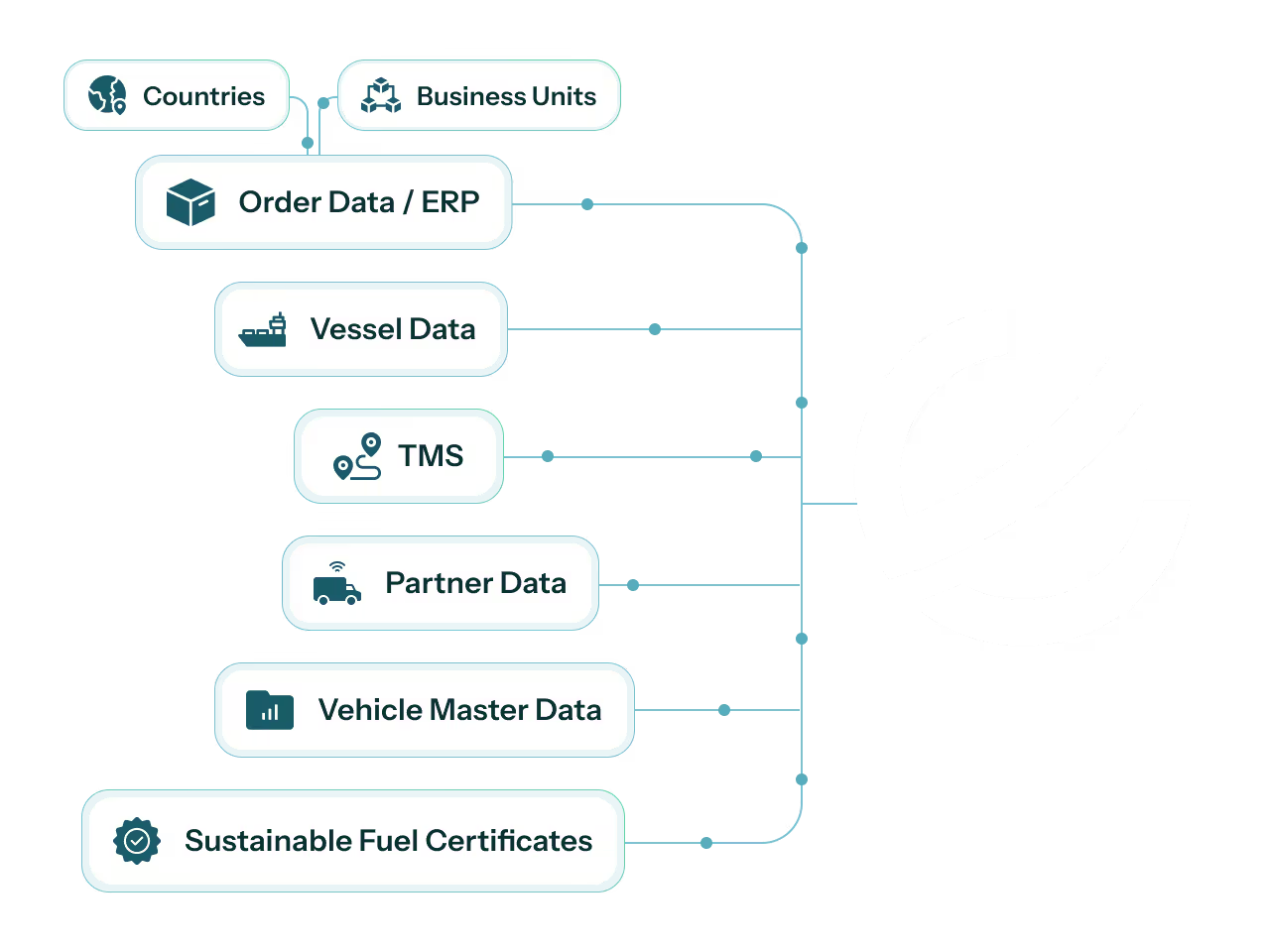
Cargo owners often struggle with fragmented data landscapes that hinder sustainability goals. shipzero connects and harmonizes logistics data from TMS, ERP systems, carriers, suppliers, and other sources. We create a unified, high-quality data foundation for accurate shipment-level emissions calculation aligned with ISO 14083 and the GLEC Framework.

Used by leading companies






.svg)
Data Quality
Key Benefits of Data Ingestion

Harmonize Disparate Sources
Merge data from various formats and systems into a single source of truth, ensuring maximum data quality across your enterprise for emissions accounting.
Standardize Supplier Data
Implement clear structures for collating data from suppliers, transforming fragmented inputs into a standardized stream.
Enhance Data Granularity
Connect different data systems to increase granularity, moving from rough estimates to precise, shipment-level CO₂e insights.
Automate Calculations
Achieve an automated process for data ingestion that results in efficient emissions calculation and reduced manual effort.
“Thanks to shipzero’s profound data granularity approach and focus on primary data integration, our data accuracy improves significantly – we are gaining a full overview of transport emissions within our supply chain.”


Build a Unified Data Foundation
Unified Data Landscape
Advanced Data Harmonization
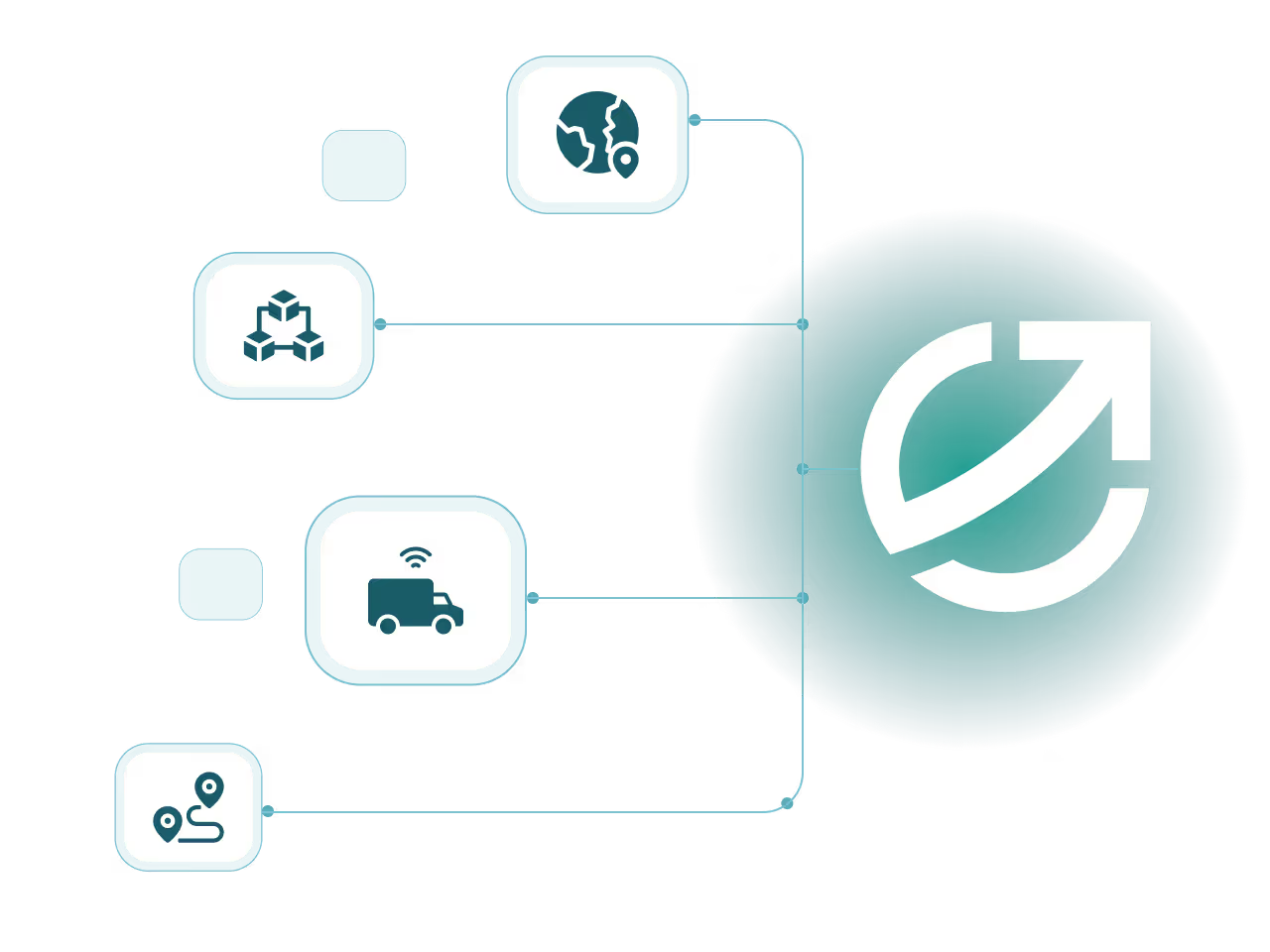
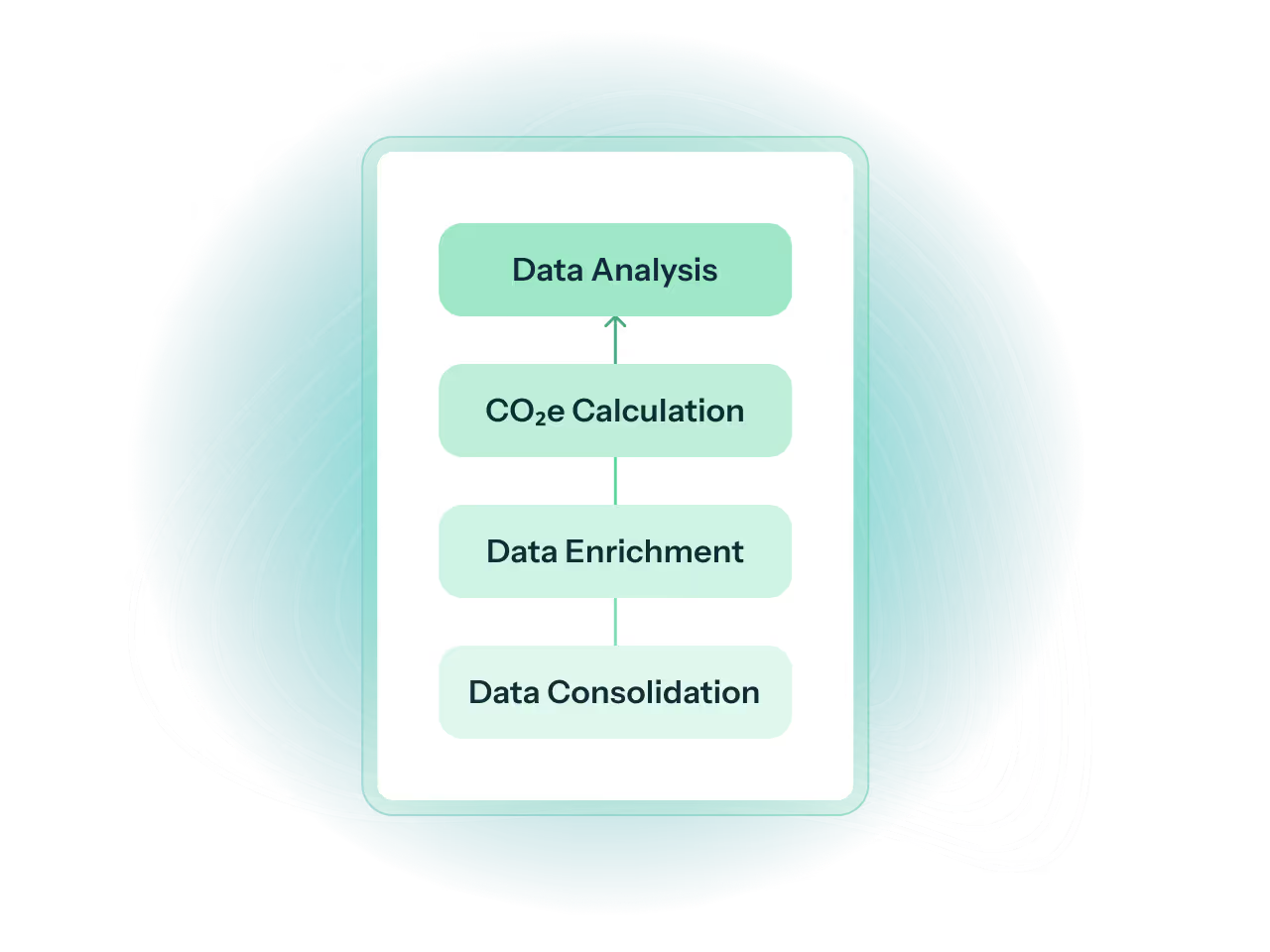
shipzero consolidates data from multiple, diverse source systems and formats, automatically mapping them into a unified data model. This harmonization creates a reliable foundation for accurate Scope 1|2|3 emissions calculations across your enterprise.
- Consolidate diverse source systems and formats
- Automated mapping to shipzero’s data model
- Single, harmonized dataset for emissions calculations
Validated Methodology
Automated Validation & Compliance
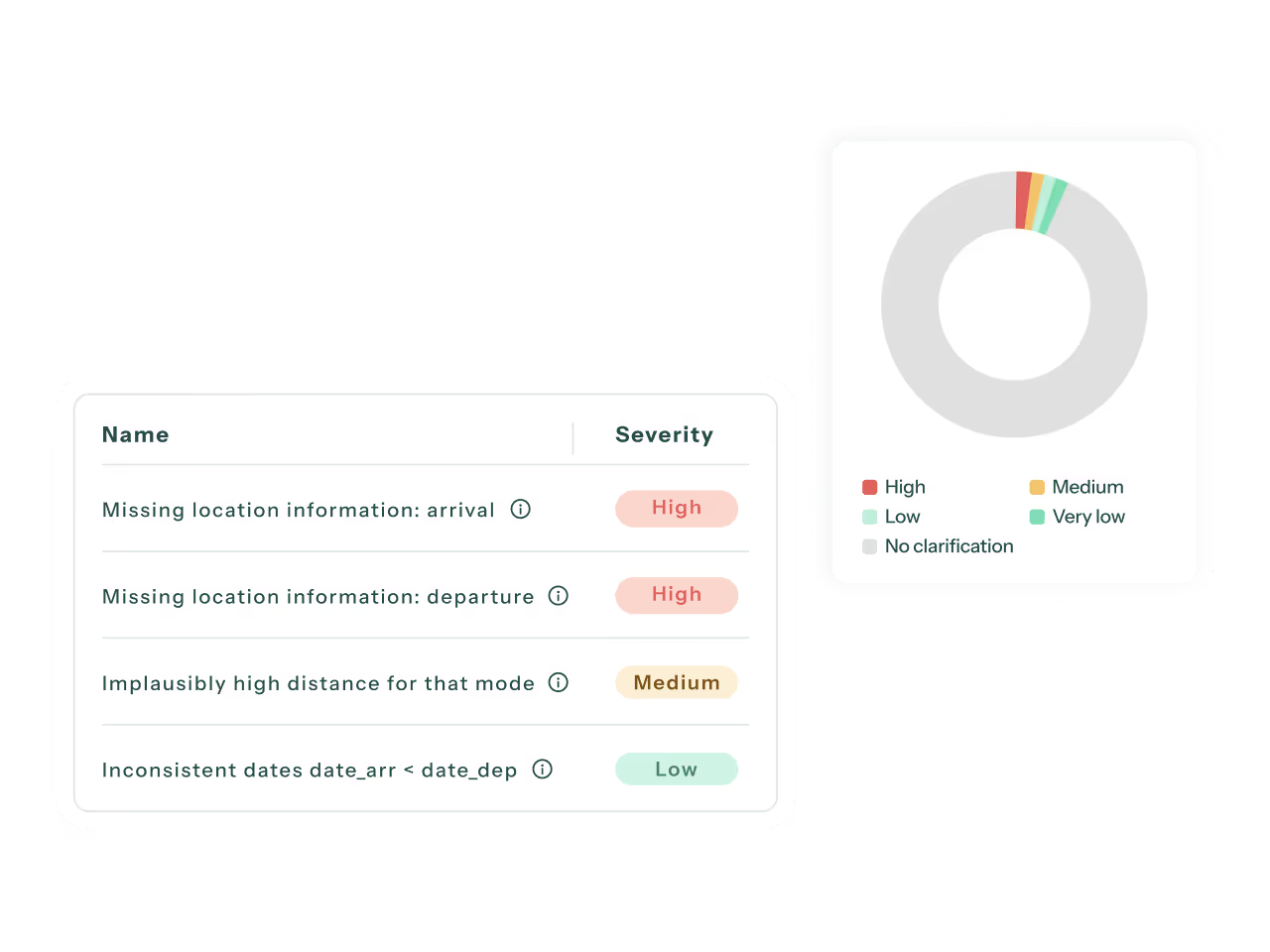
Our platform automatically performs plausibility, completeness, and quality checks on ingested data. This ensures compliance with ISO 14083 and the GLEC Framework, providing an audit-ready trail for your emissions reporting.
- Plausibility, completeness and quality checks
- ISO 14083 and GLEC Framework-compliant inputs
- Audit-ready trail for emissions data
Pilot Foundation
Scalable Ingestion Blueprint
We begin with a pilot project to map data interdependencies and test samples, creating a documented blueprint for scalable data ingestion. This phased approach ensures a smooth rollout across your entire enterprise and a traceable setup for audits.
- Pilot project to map interdependencies and sample data
- Documented, scalable ingestion blueprint
- Phased rollout across your enterprise
Efficiency & Documentation
Achieve Automated Data Flow
Move away from manual data handling. Achieving an automated process for data ingestion results in efficient emissions calculation and thorough documentation of the process itself, saving time and reducing errors in your emissions reporting.
- Streamline emissions calculation
- Document ingestion processes automatically
- Reduce manual data handling

More Uses Cases
What else you can do with us
From Book & Claim to Carbon Accounting and Partner & Supplier Integration, see how we can help with your emissions reduction journey.


Book & Claim
Decouple emission reductions from physical routes to monetize green investments.

Green Procurement
Compare transport options by CO2 impact to make smarter choices.

Data-Driven Reduction Strategies
Analyze emissions data to uncover efficiency gains.

Carbon Accounting
Ensure precise calculation and regulatory compliance.
FAQs
Do you have questions about implementing Data Ingestion as cargo owner? We've compiled answers to common inquiries based on our experience helping large organizations harmonize their logistics data for audit‑ready, verifiable decarbonization.
We structure and standardize data collation from your suppliers. Our platform ingests various formats and harmonizes them into a single standard based on leading industry frameworks including ISO 14083 and the GLEC Framework, ensuring consistency regardless of the source system. This eliminates the manual effort of cleaning disparate spreadsheets from multiple carriers.
Yes. The data we ingest fuels calculations that are fully validated against ISO 14083 and the latest version of the GLEC Framework. This ensures that your data foundation supports compliant and accredited reporting, giving you confidence in accurate emissions calculations.
We recommend starting with a pilot project. This allows us to create a blueprint for emission data ingestion, testing data samples to understand interdependencies before rolling out the process enterprise-wide. This phased approach ensures a stable and effective integration.
Absolutely. Connecting different data systems increases data granularity. By ingesting primary data from multiple sources (TMS, telematics, carrier files), we move beyond averages to precise, shipment-level CO₂e calculations that reflect your actual transport reality.
Yes, automation is a key goal. We help you achieve an automated process for data ingestion, which not only speeds up emissions calculations but also provides a documented audit trail of how data flows into the system, ensuring transparency and efficiency.