
Emissions Intelligence for Chemical Logistics
Chemicals Industry: Achieving SQAS compliance and CO₂ transparency
Chemical transport comes with unique challenges: strict SQAS requirements, complex processes like tank cleaning, hazardous goods regulations, and rising expectations for CO₂ transparency. shipzero helps you meet compliance standards, align with ISO 14083 and the GLEC Framework, automate emissions tracking, and turn sustainability into a competitive advantage – without straining your resources.
These chemical leaders work with us






The Problem
Key pain points of the chemical industry
Meeting SQAS compliance standards is critical, but complex. CO₂ tracking is now a mandatory part of quality and safety frameworks. Logistics providers risk losing contracts without strong SQAS scores, while cargo owners need reliable data from their supply chain partners to meet their own sustainability commitments and corporate reporting duties.

High compliance pressure &SQAS requirements
Chemical enterprises require strict SQAS compliance, with CO₂ tracking at its core. Logistics providers face growing pressure to achieve high scores, while manual emissions data makes compliance resource-intensive and error-prone for all parties across complex multimodal networks.
Complex CO₂ tracking due to industry-specific processes
Chemical logistics goes beyond standard full-truck-load transport. Tank cleaning, heating and washing create additional emissions, while hazardous goods requirements add complexity, making accurate CO₂ calculation difficult for providers and hard to verify and report for cargo owners.
Limited resources for sustainability and IT
Lower margins in chemical transport mean limited budget for sustainability roles or data management systems. Cargo owners need reliable data from logistics partners but often face gaps in data quality and consistency. Both require an automated, compliance-ready solution without heavy internal effort.
“When selecting a partner, it was important to us to measure CO₂ emissions based on our actual consumption data and not just on average values. With shipzero, we can accurately determine our carbon footprint and even evaluate the effect of alternative fuels to take appropriate reduction measures.”

"For us, shipzero offers an excellent quality-price ratio, as the data platform completely fulfills our needs – especially in automating customer reporting as well as in achieving compliance in audits such as SQAS."

"shipzero enables us to precisely evaluate the CO₂ emissions per customer and leg. We can also quantify the impact of using alternative fuels. This gives us the data basis to develop concepts with our customers that are even more efficient and climate-neutral."

The Product
This is the way how we overcome your challenges.
shipzero provides chemical logistics providers and cargo owners with automated, compliance-ready emissions intelligence. Our platform integrates seamlessly with existing data systems, accurately calculates complex emissions including tank cleaning processes, and delivers the transparency needed to achieve high SQAS scores and meet cargo owner reporting requirements in line with ISO 14083, the GLEC Framework, and the GHG Protocol – all while minimizing internal effort.

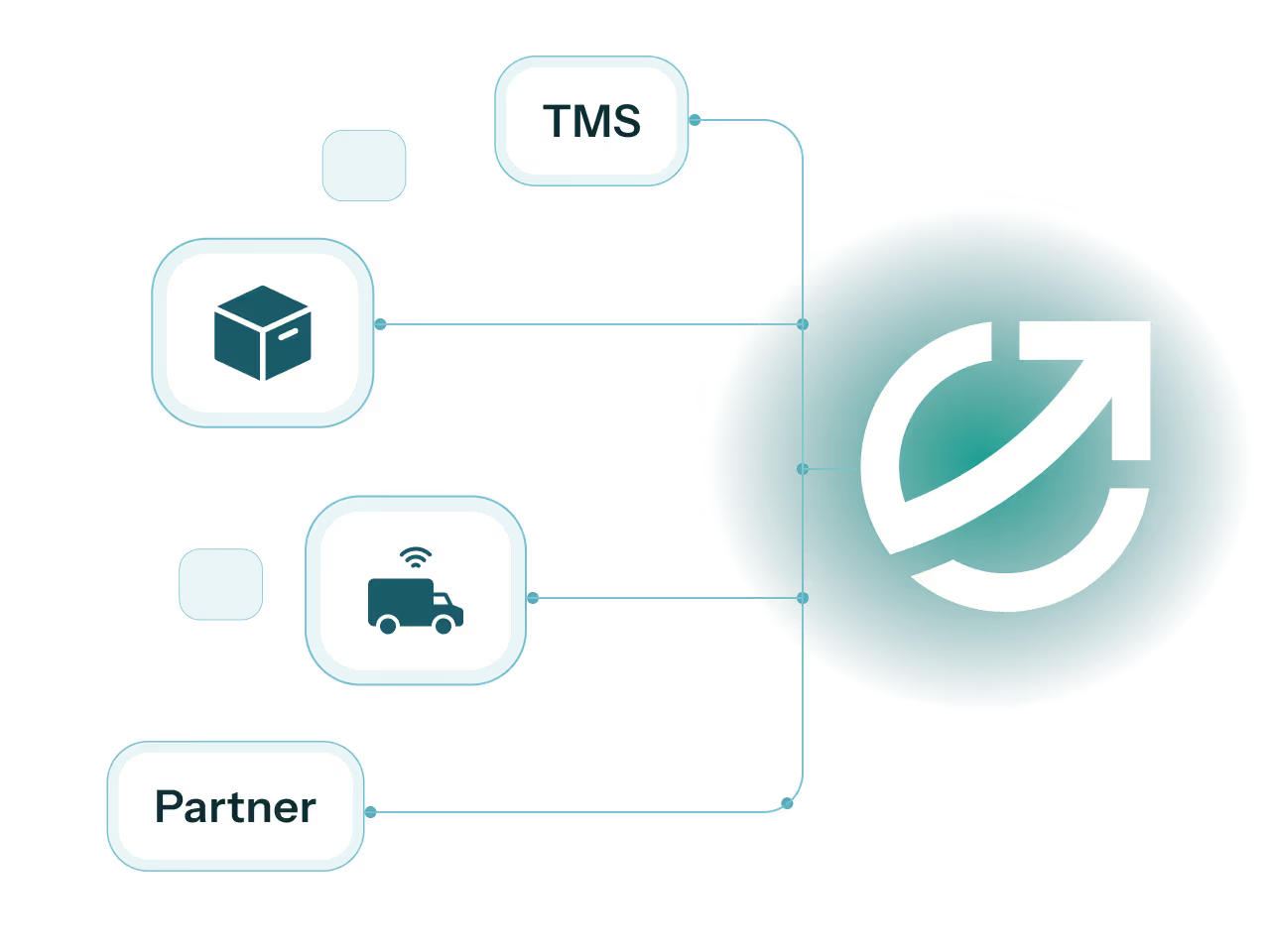
Data Ingestion
Seamless integration with established logistics data systems
Connect your existing data infrastructure to create a single source of truth – enabling logistics providers to automate data flows and cargo owners to receive verified emissions data.
- Direct integration with common TMS used in chemical logistics
- Automated data harmonization from fleet telematics, fuel cards, etc.
- Continuous data quality monitoring for accurate emissions allocation
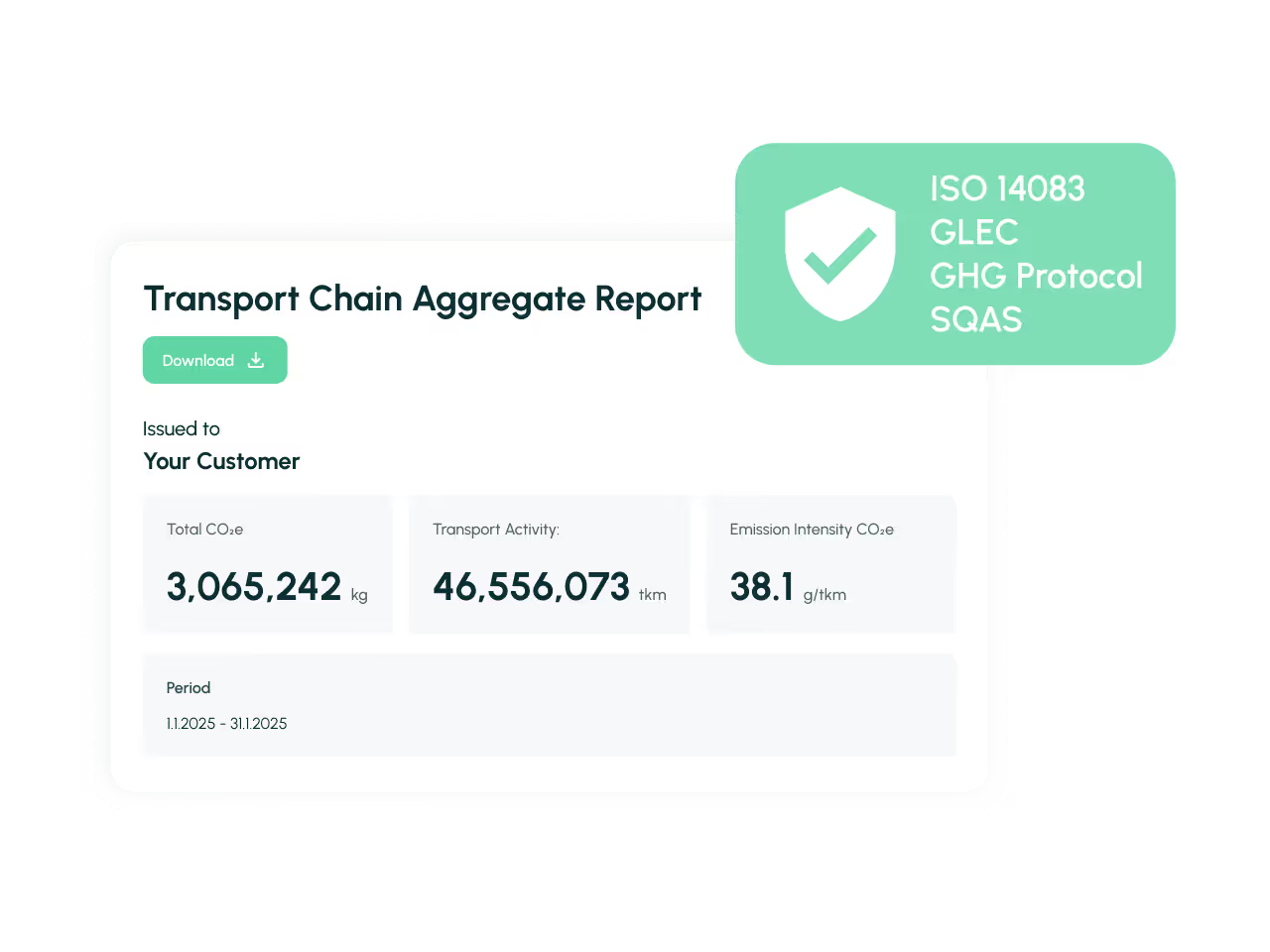
Compliance & CO₂ Transparency
SQAS compliance and transparent emissions tracking
Achieve SQAS compliance with audit-ready emissions data, helping logistics providers meet client requirements and enabling cargo owners to fulfill their own reporting obligations.
- Precise calculation of transport and hub emissions incl. tank cleaning
- Mapping into SQAS TOC and HOC to support high compliance scores
- Full alignment with ISO 14083, the GLEC Framework, and the GHG Protocol

Decarbonization
Viable decarbonization strategies for hazardous goods transport
Identify realistic pathways to reduce emissions, enabling logistics providers to offer green transport solutions and enterprises to achieve their sustainability targets.
- Book & Claim and HVO support for hazardous goods transport within SQAS and dangerous goods constraints
- Increase data quality with primary energy data from logistics fleets
- Compare fleet performance and partners to identify reduction levers and document them for audits and customer reporting
The industry solution for...

Cargo Owners
Full Scope 3 transparency & data analysis
Gain end-to-end visibility into your supply chain emissions and identify the most effective reduction levers to reach your decarbonization goals.


Logistics Companies
Effortless customer reporting
Meet growing customer demands with automated emissions reporting at shipment level, and strengthen your competitive edge in every tender.

Case Studies
Together towards net-zero logistics
Discover how companies within the chemicals industry use shipzero to gain emissions transparency, streamline reporting, and drive measurable progress in reducing emissions.
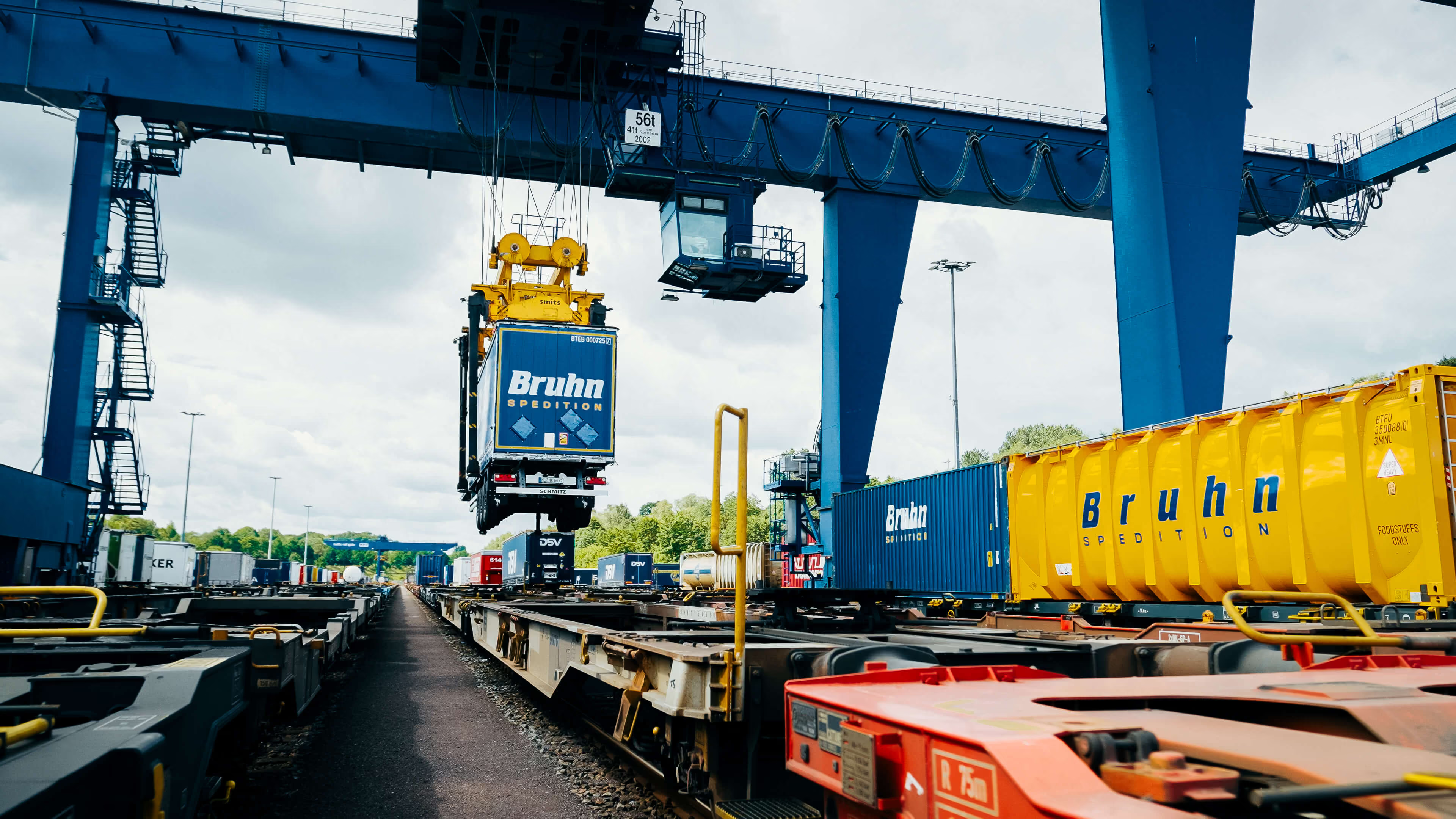
How Bruhn Used SQAS to Build Emissions Management on Data It Already Had
“The data provided by shipzero was structured in such a way that it was enough to close the majority of the questions raised during the greenhouse gas section of the SQAS assessment.”
.avif)
Reducing CO₂e emissions as an integral part of the corporate strategy
"We are able to classify the total CO₂ value into different categories, i.e., well-to-tank and tank-to-wheel. This allows us to say: The direct emission value of a transport is the value X.“

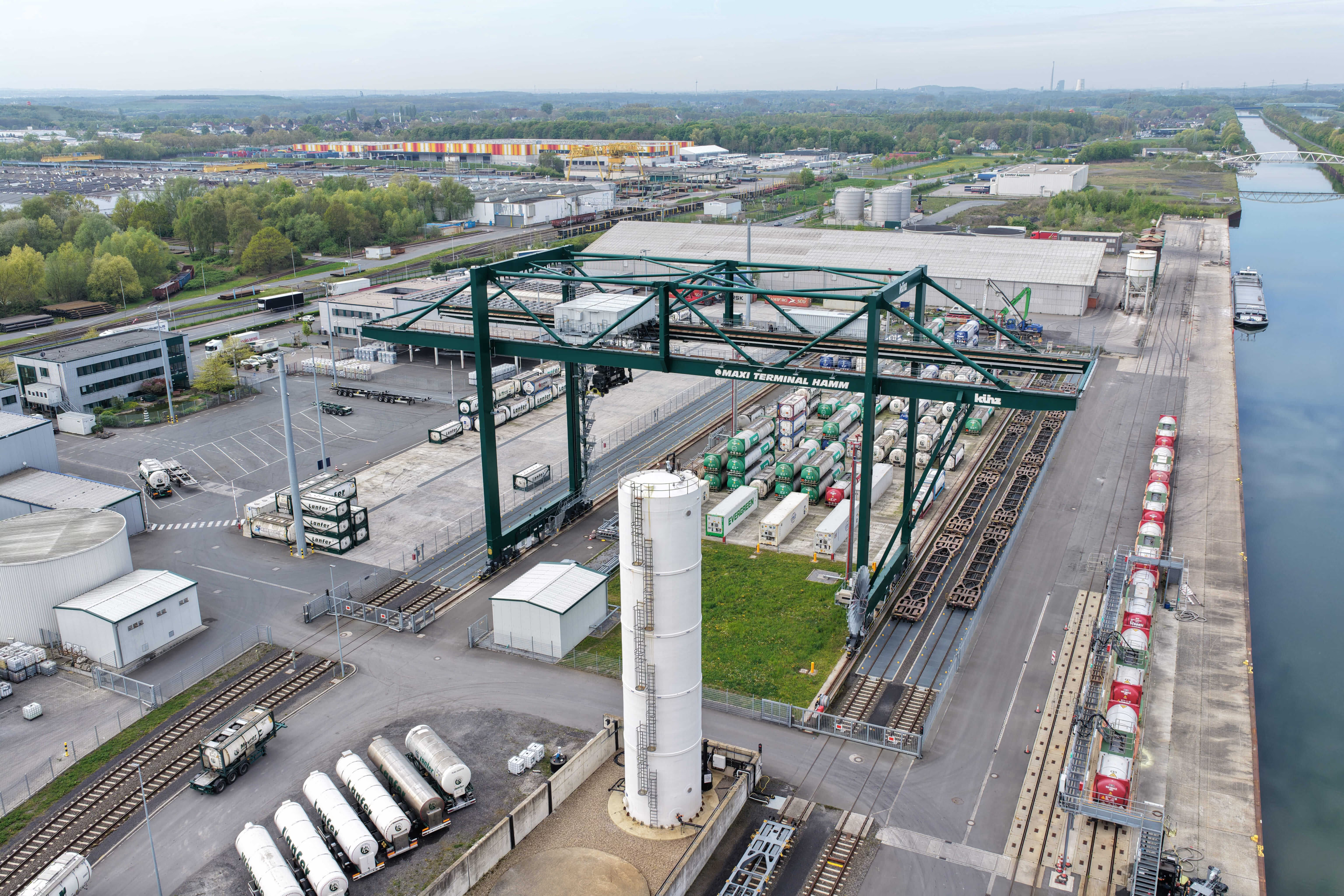
How Lanfer Mastered a Demanding SQAS Audit in Record Time
"He said he could imagine proposing to the certification board that a company working with a partner holding these certifications, and running the calculation this way, could go through a lighter review in future – rather than having every detail checked again from the ground up."

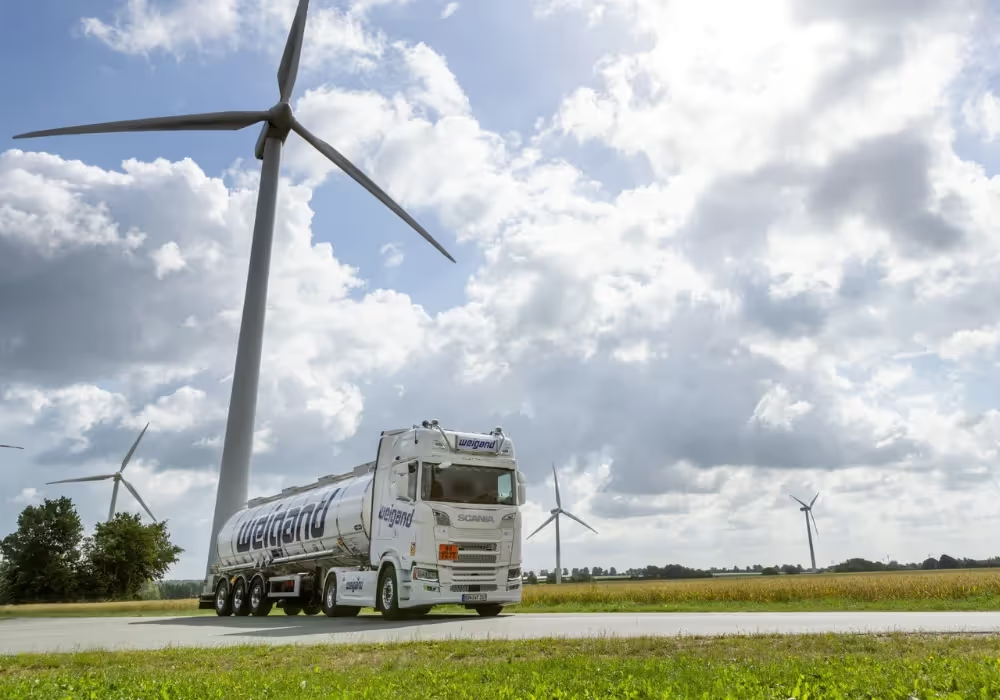
Primary data as the key to logistics decarbonization
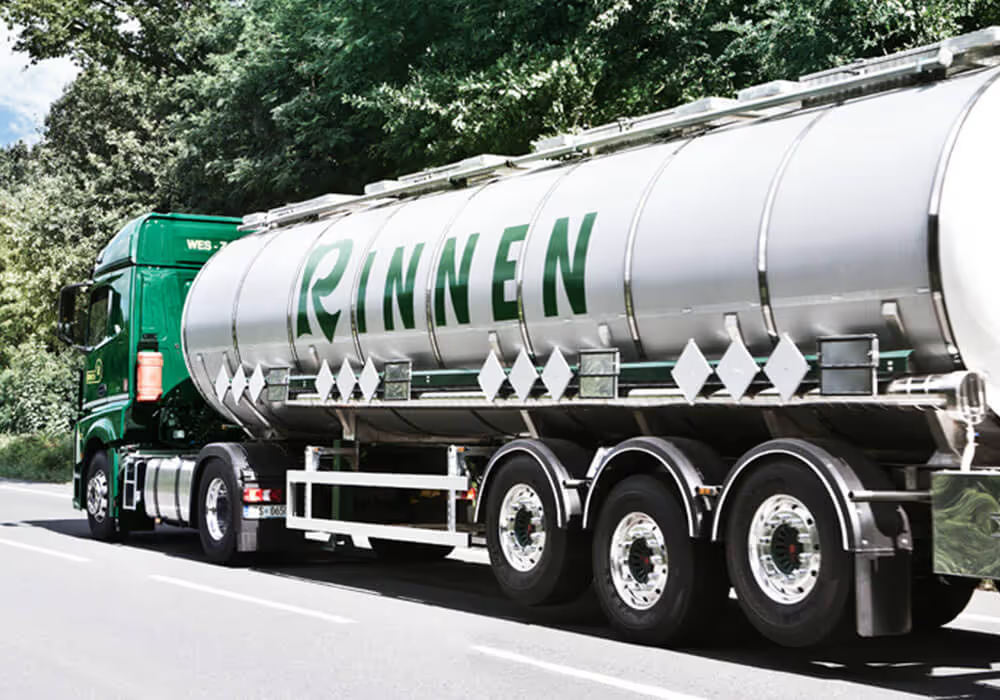
“We initially wanted to capture the data, have it clean, and determine the current state. Only those who know the status quo can set clear goals. It was important to us that we measure CO₂ emissions based on our actual consumption data and not on extrapolations or averages.“

FAQs
Common questions about emissions intelligence for chemical logistics
shipzero captures emissions from tank cleaning operations - including heating and washing - and allocates them accurately to individual customers. Our platform maps these processes into the appropriate SQAS Hub Operating Categories, ensuring emissions data reflects the full scope of operations and meets compliance requirements for both logistics providers and cargo owners under SQAS and corporate reporting frameworks.
Yes. shipzero connects seamlessly with the most common TMS used in chemical logistics. Many of these systems are already integrated into our platform, enabling fast implementation with minimal disruption. If your system isn't yet connected, our team will work with you to establish a reliable data flow.
shipzero automatically maps your transport and hub operations into SQAS-compliant Transport Operating Categories and Hub Operating Categories. This ensures emissions data aligns with SQAS standards, helping logistics providers achieve higher scores and meet cargo owner requirements, while enabling cargo owners to verify their supply chain partners' compliance with quality, safety, and sustainability criteria.
Absolutely. The full-truck-load structure common in chemical logistics makes it easier to match vehicles with specific transports. shipzero can integrate primary fuel consumption data from logistics fleets, giving both logistics providers and cargo owners more accurate emissions calculations and higher-quality data for reporting and verification.
Battery-electric vehicles are often not yet approved for hazardous goods transport, so decarbonization in chemical logistics currently focuses on alternative fuels like HVO (Hydrotreated Vegetable Oil) and Book & Claim solutions. shipzero accurately models these options, helping logistics providers offer green transport solutions and cargo owners evaluate costs and emission reductions in a way that is traceable and audit‑ready. shipzero's Book & Claim methodology is independently audited by Müller-BBM Cert, ensuring chemical logistics providers can offer verified, audit-ready emission reductions to cargo owners.