
Emissions intelligence for FMCG logistics
FMCG: Driving sustainable supply chains with shipzero
FMCG supply chains are among the most complex: highly fragmented shipment structures, intense pressure from multinational cargo owners, and global procurement challenges. shipzero helps both logistics providers and cargo owners achieve transparent CO₂e tracking across international networks, support strategic tendering decisions, and meet demanding sustainability requirements in line with standards like ISO 14083 and the GLEC Framework.

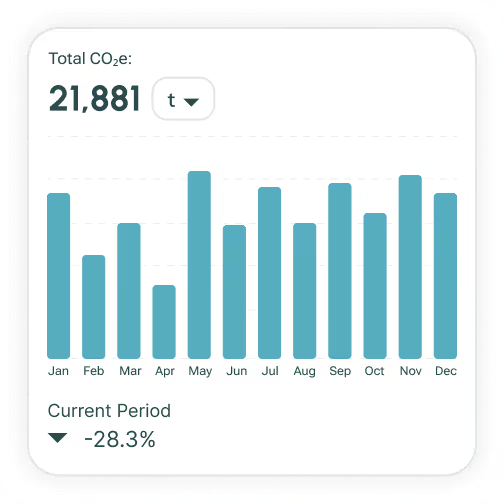
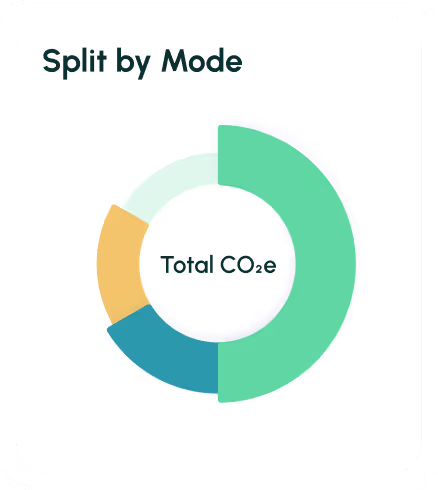
Trusted by FMCG industry leaders


.svg)



The Problem
Key pain points of the FMCG industry
FMCG companies face intense ESG pressure due to brand reputation and consumer expectations. They need full supply chain transparency and decarbonization, while logistics providers manage fragmented global networks and cargo owners require reliable, comparable emissions data for strategic decisions and corporate reporting.

Complex transport networks with high fragmentation
FMCG logistics involves numerous small shipments, parcel flows, and consolidation across hubs. Large networks make it difficult for logistics providers to model actual transports accurately, while cargo owners struggle to verify emissions across fragmented shipments and multi-stop tours.
Intense pressure from multinational enterprises
Leading FMCG companies actively drive CO₂ tracking and decarbonization, setting high expectations for logistics providers. Close consumer visibility increases ESG scrutiny and brand risk, leading to demanding, often global, requirements for transparency and decarbonization across all major transport modes.
Complexity in procurement, tendering, and global strategies
FMCG supply chains span multiple countries with varying markets, energy intensities, and modal mixes. This makes it hard to assess CO₂ costs, market trends, alternative fuel pricing, and regulatory impacts. Companies face challenges to forecast emissions, calculate scenarios, and manage carriers globally.
“We feel comfortable and confident that we have found the right service provider. shipzero responds to our individual needs and finds customized solutions.”
.avif)

The Product
This is the way how we overcome your challenges
shipzero provides FMCG companies with global emissions intelligence across fragmented, multimodal supply chains. Our platform models complex parcel and consolidation flows, enables green procurement decisions, and supports forecasting for international tenders and carrier selection, based on standardized methodologies such as ISO 14083 and the GLEC Framework.

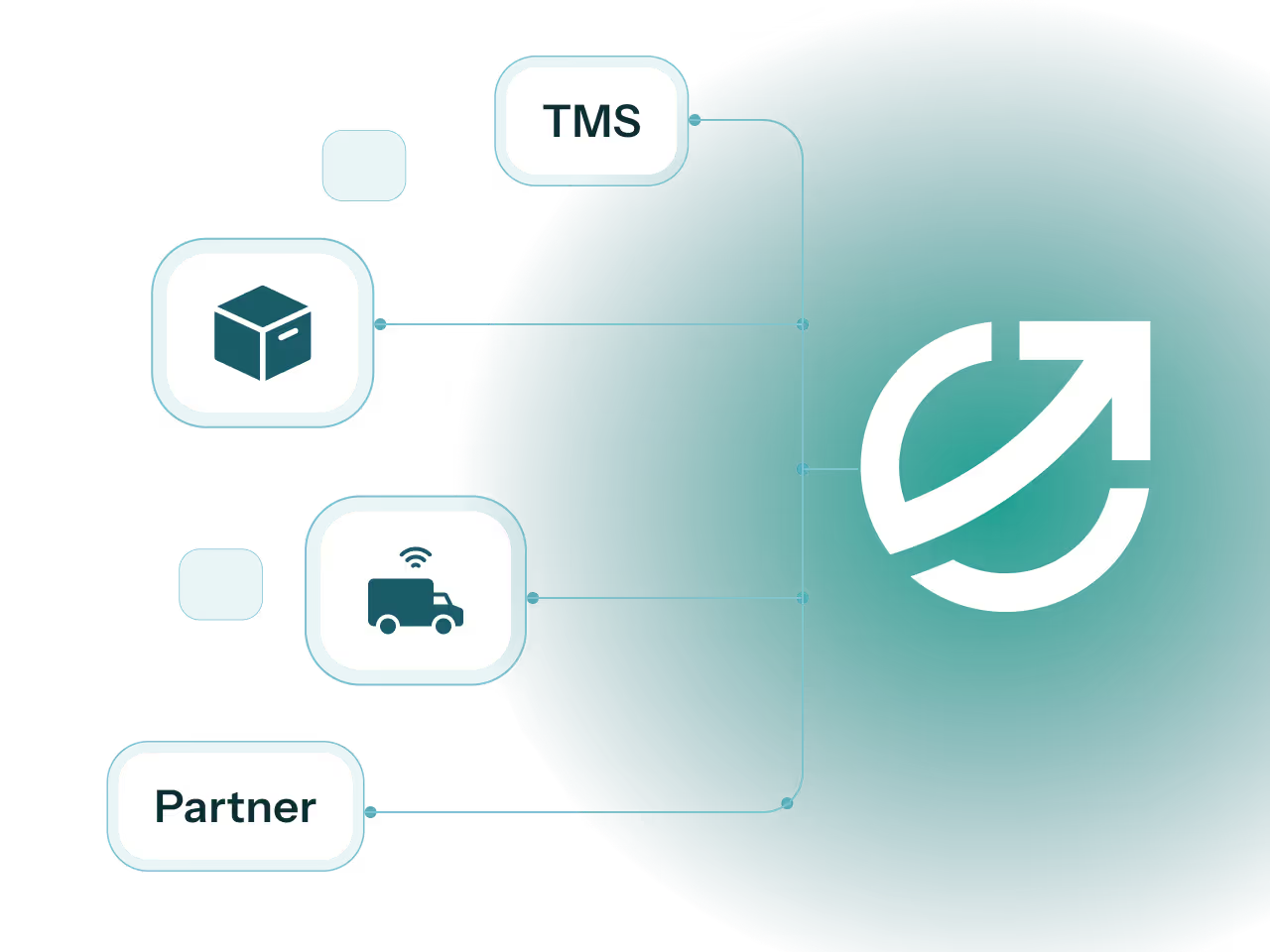
Data Ingestion
Seamless integration with established logistics systems
Connect diverse international data sources to create a unified view of emissions, enabling logistics providers to automate data flows and cargo owners to receive verified emissions data.
- Seamless connectivity to global TMS & multimodal data sources
- Automated harmonization of parcel flows and trade lane data
- Continuous data quality monitoring ensures accurate allocation
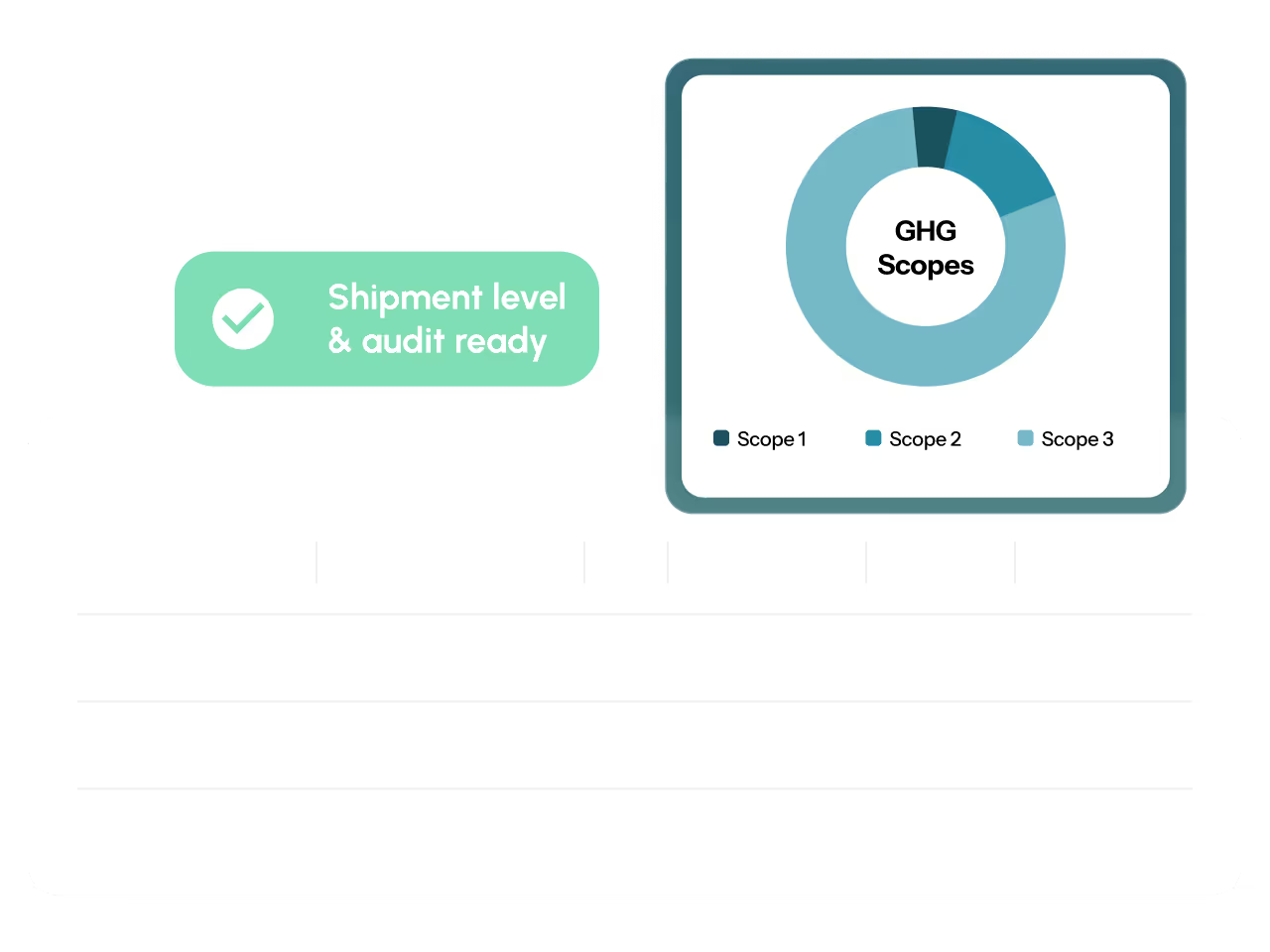
Compliance & CO₂ Transparency
Global emissions transparency for strategic decision-making
Build comprehensive visibility across your international FMCG supply chain with country-specific insights and trend analysis.
- Granular calculation of Scope 1 & 3 emissions at shipment level
- Emission trend analysis to support location and modal decisions
- Full alignment with ISO 14083, the GLEC Framework, and the GHG Protocol
Decarbonization
Data-driven green procurement and strategic carrier management
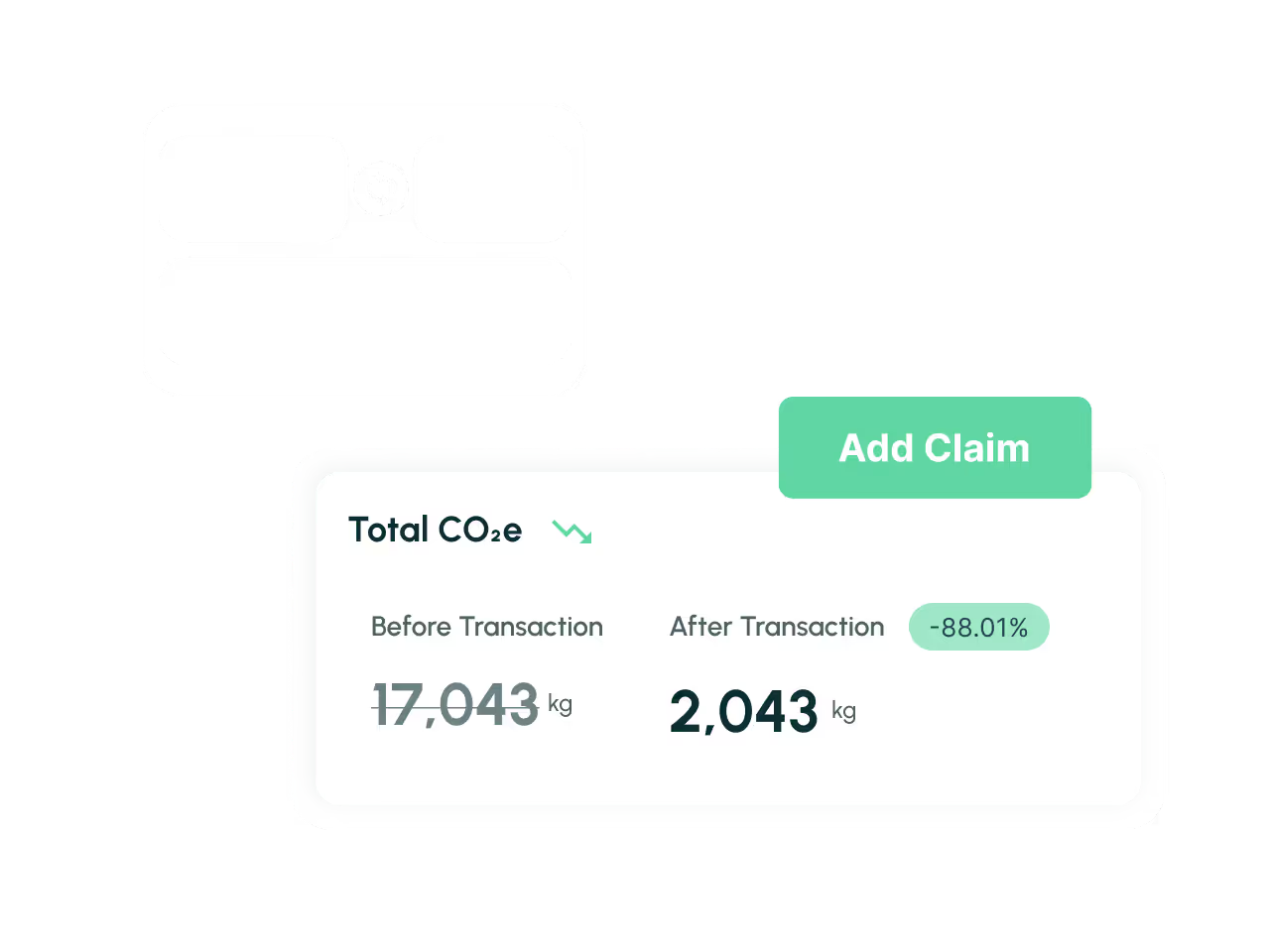
Simulate decarbonization scenarios across global trade lanes to optimize procurement decisions and carrier selection.
- Model alternative fuels and integrate Book & Claim for global FMCG flows
- Compare reduction potentials across trade lanes, regions, partners
- Forecast market developments incl. energy prices & emissions trading and regulatory impacts
Tailor-made solutions for cargo owners & logistics service providers
Discover how companies across the supply chain use shipzero to tackle their transport emissions challenges and find the use cases that match your priorities, from fragmented last‑mile flows to global trade lanes.

Cargo Owners
Full Scope 3 transparency & data analysis
Gain end-to-end visibility into your supply chain emissions and identify the most effective reduction levers to reach your decarbonization goals.


Logistics Companies
Effortless customer reporting
Meet growing customer demands with automated emissions reporting at shipment level, and strengthen your competitive edge in every tender.

Case Studies
Together towards net-zero logistics
Discover how companies within the FMCG industry use shipzero to gain emissions transparency, streamline reporting, and drive measurable progress in reducing emissions.
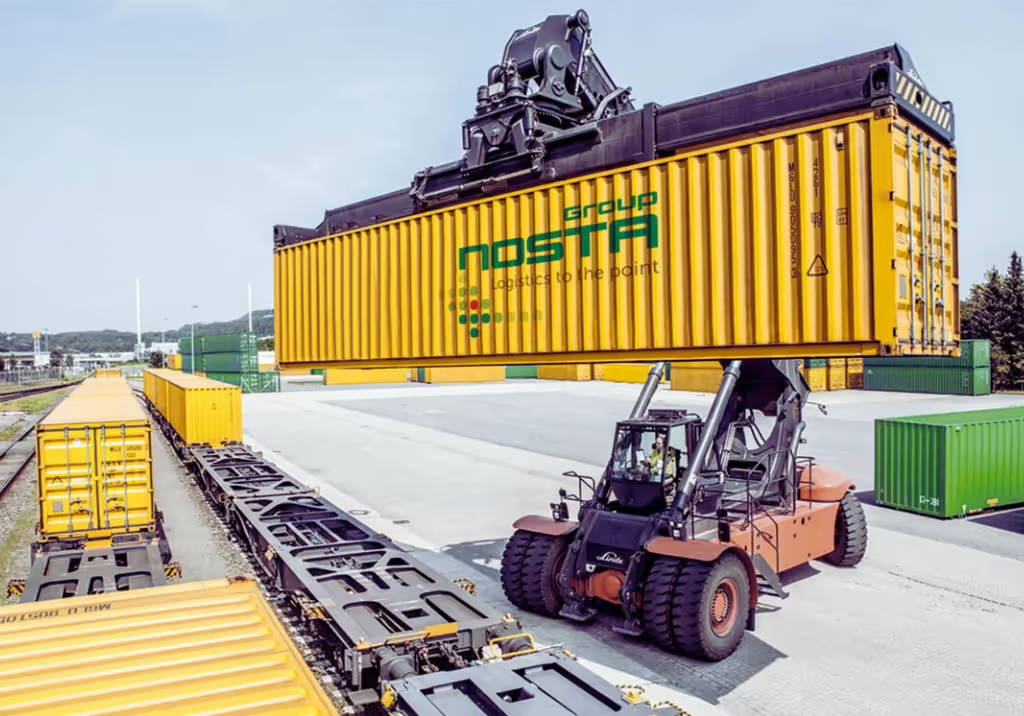
Gaining CO₂e transparency as a full-service logistics provider
“The platform’s usability and dashboard clarity were exactly what we needed. With clear visualizations and filters, we quickly access emission data by route, trade lane, client, and contractor – greatly reducing internal workload.”

FAQs
Common questions about emissions intelligence for FMCG logistics
shipzero captures country-specific emission factors, energy intensities, and modal characteristics to provide accurate emissions data across international supply chains in a way that is consistent with ISO 14083 and the GLEC Framework. Our platform enables both logistics providers and cargo owners to compare regions, analyze trends by market, and understand how different geographies contribute to the overall emissions footprint.
shipzero integrates primary data not only for road transport but also for air and sea freight. This multimodal capability is essential for FMCG supply chains that rely on diverse transport modes. We analyze where modal switches can reduce emissions and help both logistics providers and cargo owners make informed decisions about transport mode selection.
shipzero simulates CO₂ costs and future market developments across trade lanes and carriers. Both logistics providers and cargo owners can model alternative fuel scenarios, compare reduction potentials, and forecast regulatory impacts. This enables strategic tender management, informed carrier selection, and competitive positioning based on verified, audit‑ready emissions data. For FMCG cargo owners subject to CSRD reporting, this data foundation directly supports ESRS E1 Scope 3 disclosures and SBTi target achievement across upstream and downstream transport.
Our platform accurately models the complex reality of FMCG logistics: shipment splitting across multiple routes, consolidation through hub networks, and international trade lane structures. Emissions are allocated fairly across numerous small shipments using sophisticated allocation methodologies that reflect actual transport operations, benefiting both logistics providers and cargo owners.
Yes. shipzero connects with global logistics platforms and diverse Transport Management Systems used across different regions. We handle heterogeneous and globally distributed data sources, harmonizing them into a consistent emissions dataset that supports international reporting and strategic decision-making.